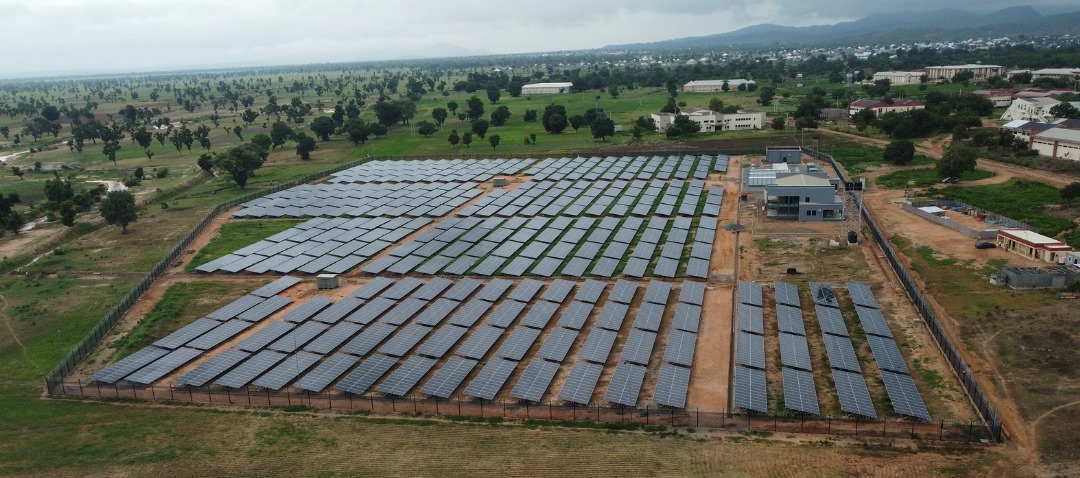
Project Overview
Under the Energising Education Programme – Phase 3 (EEP-3) of the Nigeria Electrification Project (NEP), funded by the African Development Bank (AfDB), this project represents a strategic investment in Nigeria’s education and healthcare infrastructure through the delivery of advanced solar hybrid power solutions.
The initiative is designed to provide reliable, sustainable, and cost-effective electricity to eight federal universities and one teaching hospital across Nigeria, supporting the country’s transition toward cleaner energy systems while enhancing institutional performance, resilience, and long-term sustainability.
The project is being delivered in collaboration between the Federal Government of Nigeria, through the Rural Electrification Agency (REA), and the Joint Venture of Kobeissi Electrical & Mechanical Engineering Ltd. (KELM) and La Société d’Electricité et d’Industrie et de Commerce SARL (ELICOM SARL).
Project Scope
The scope of work encompasses the full design, engineering, procurement, supply, installation, commissioning, operation, and maintenance of modern solar hybrid power plants tailored to meet the energy demands of large-scale academic institutions.
The project is structured as follows:
Lot 1Development of a solar hybrid power plant at Modibbo Adama University of Technology, Yola, Adamawa State.
This lot includes the complete delivery of the facility, from initial design and technical execution to long-term operation and maintenance support.
Lot 2 (Addendum)Extension of the project to include the development of a solar hybrid power plant at Federal University, Dutsin-Ma, Katsina State.
Technical Highlights
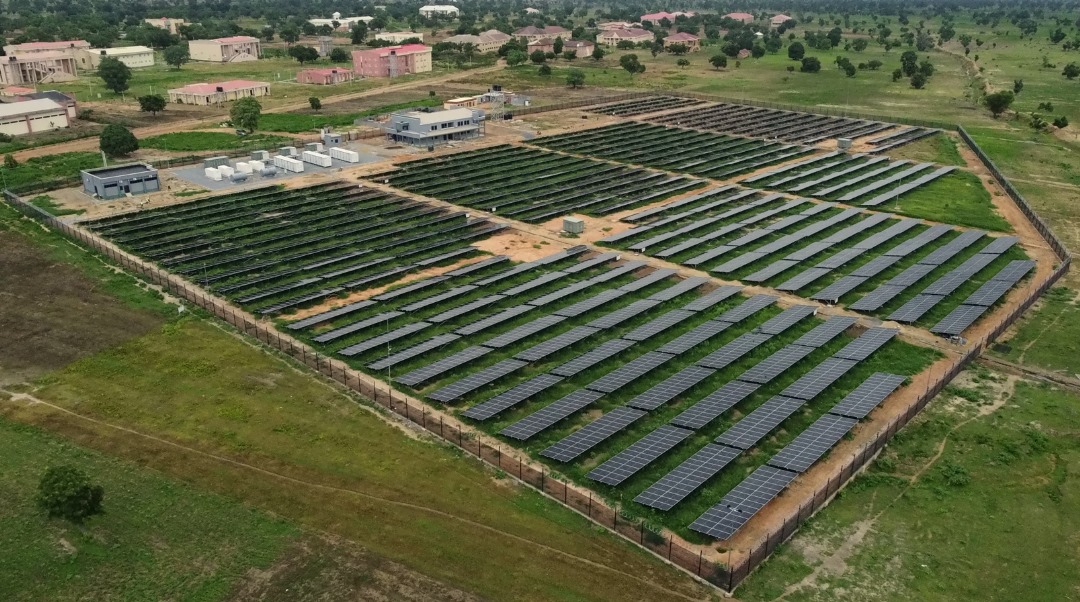
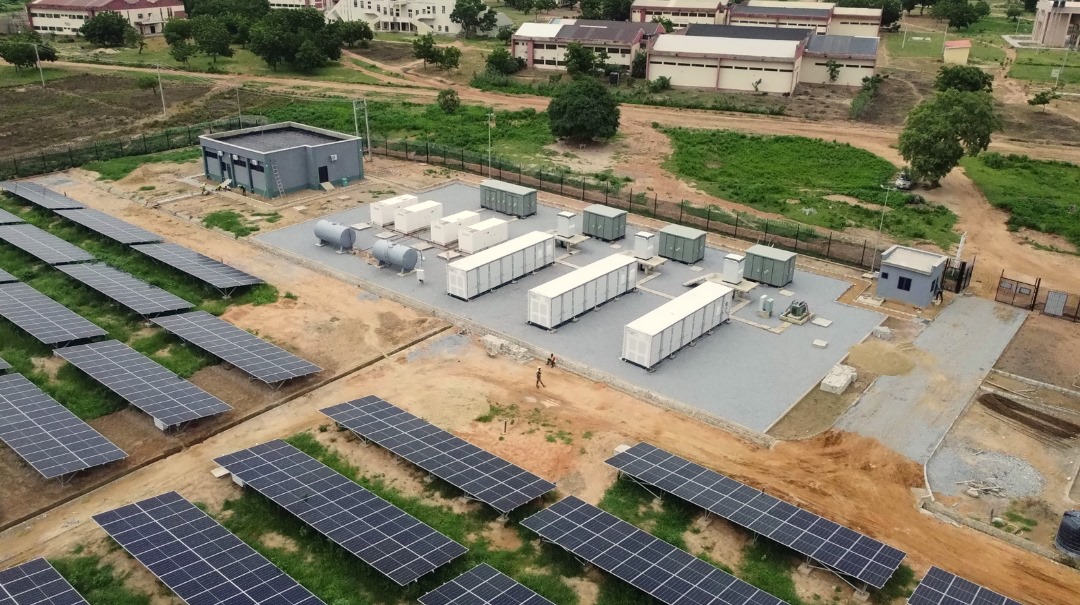
The solar hybrid systems integrate solar power generation with advanced battery energy storage technology, creating a stable, clean, and highly efficient energy solution for critical academic and healthcare-related operations.
Key project capacities include:
- Federal University of Dutsin-Ma, Katsina State
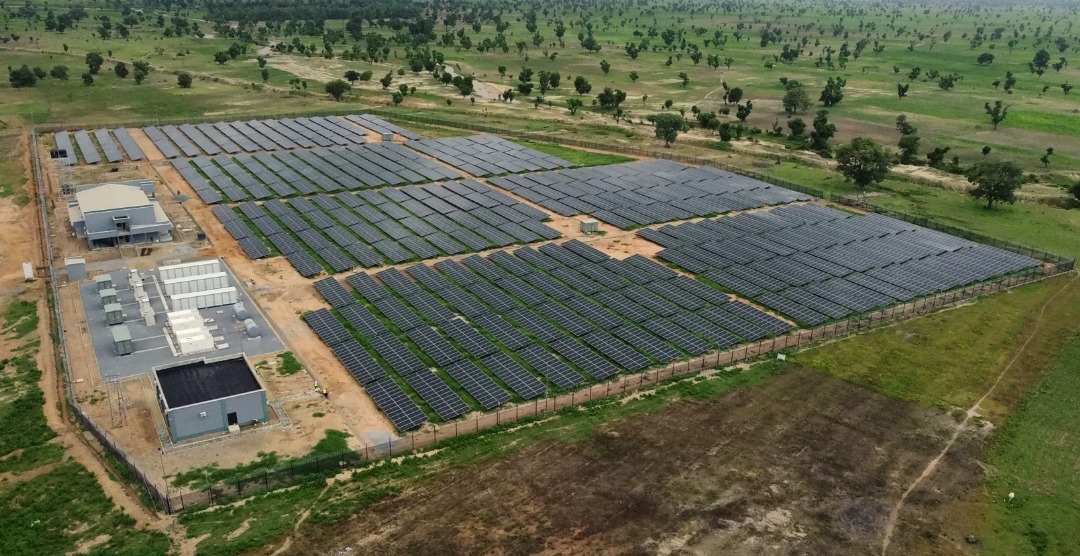
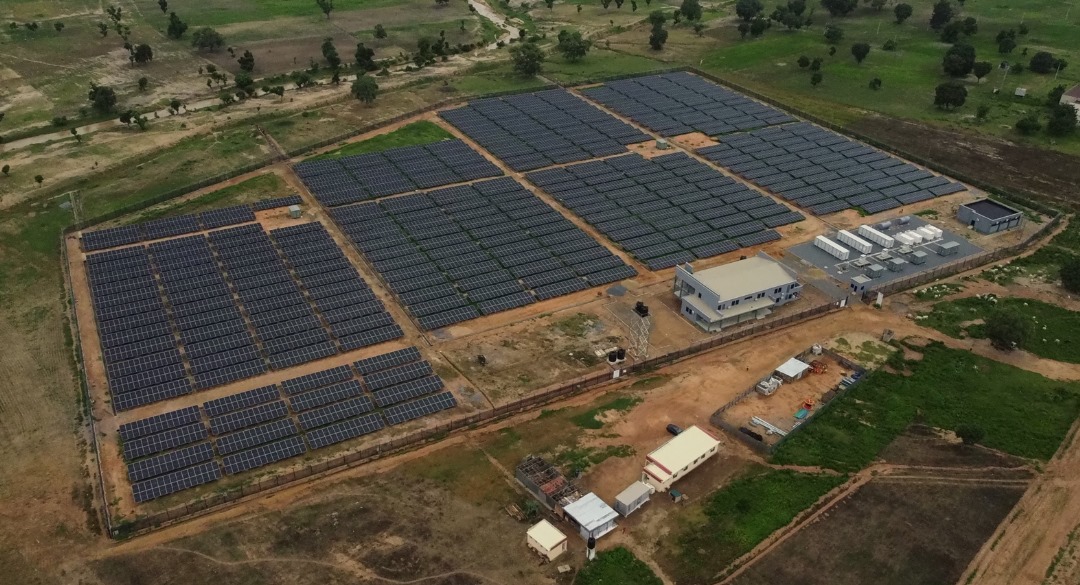
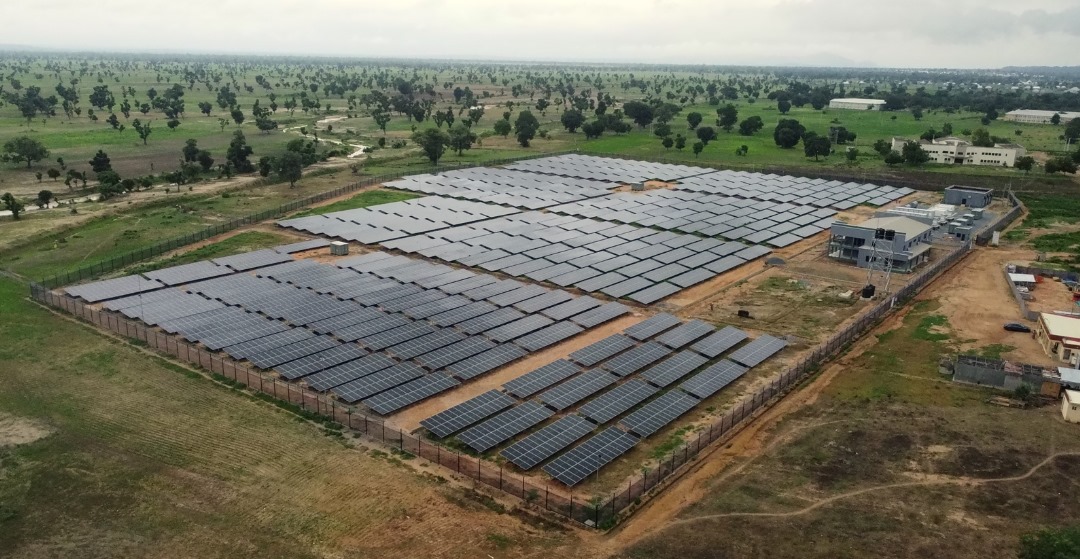
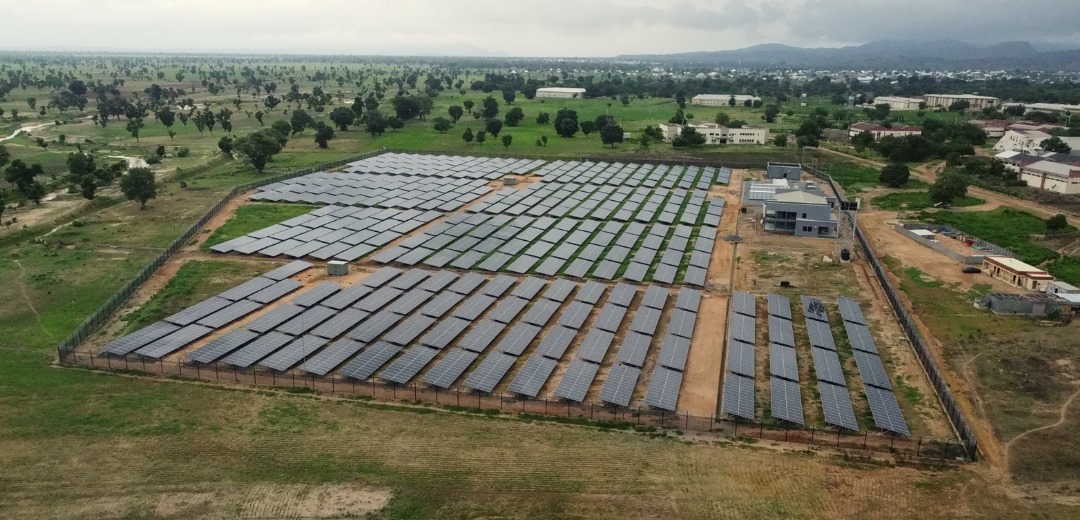
- 1.9 MVA Solar Hybrid Power Plant
- Modibbo Adama University of Technology, Yola, Adamawa State
- 5 MVA Solar Hybrid Power Plant
These facilities are designed to significantly improve energy reliability, optimize operational continuity, and reduce dependence on conventional fossil-fuel-based electricity sources.
Project Objectives
The project has been developed to achieve several strategic outcomes, including:
- Delivering uninterrupted and reliable renewable energy to federal universities and a teaching hospital
- Reducing dependence on fossil fuels and supporting lower greenhouse gas emissions
- Improving academic learning environments through stable and dependable electricity supply
- Strengthening research capacity, institutional productivity, and healthcare services
- Advancing Nigeria’s clean energy transition and contributing to Sustainable Development Goal 7 – Affordable and Clean Energy
Current Progress
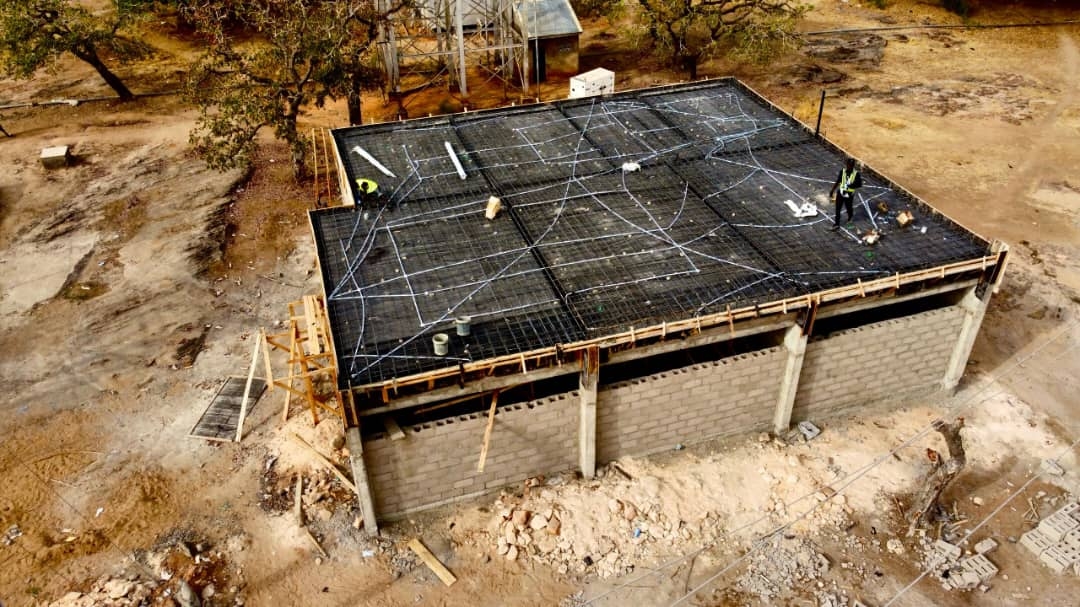
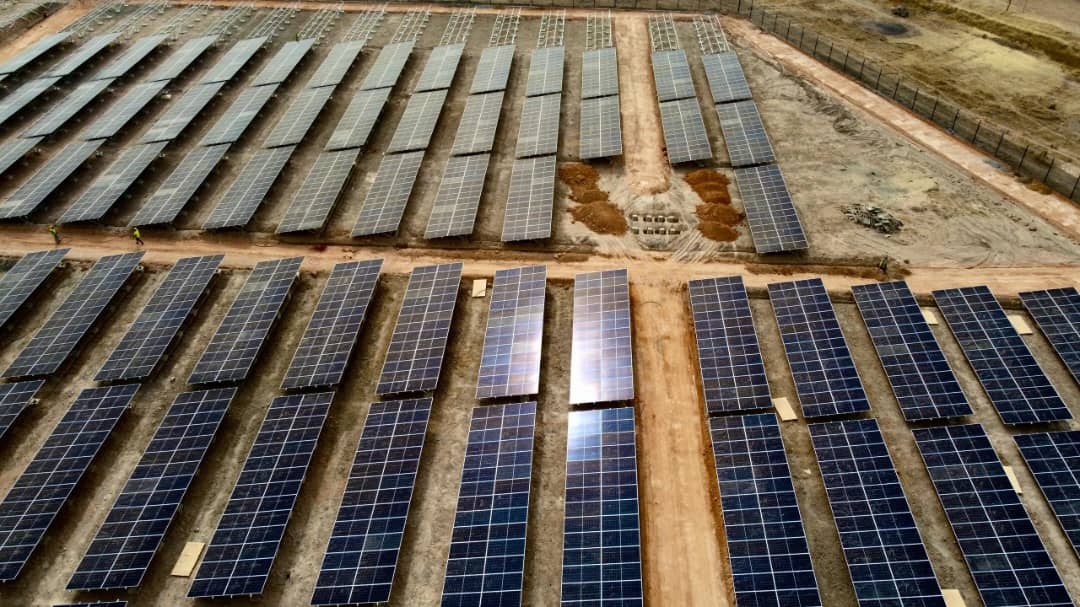
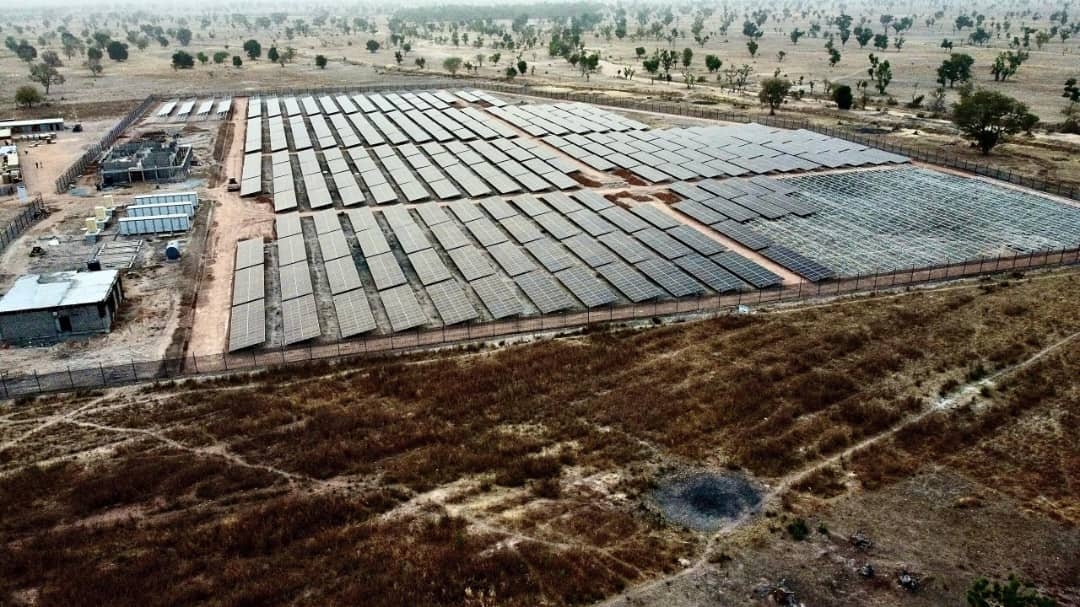
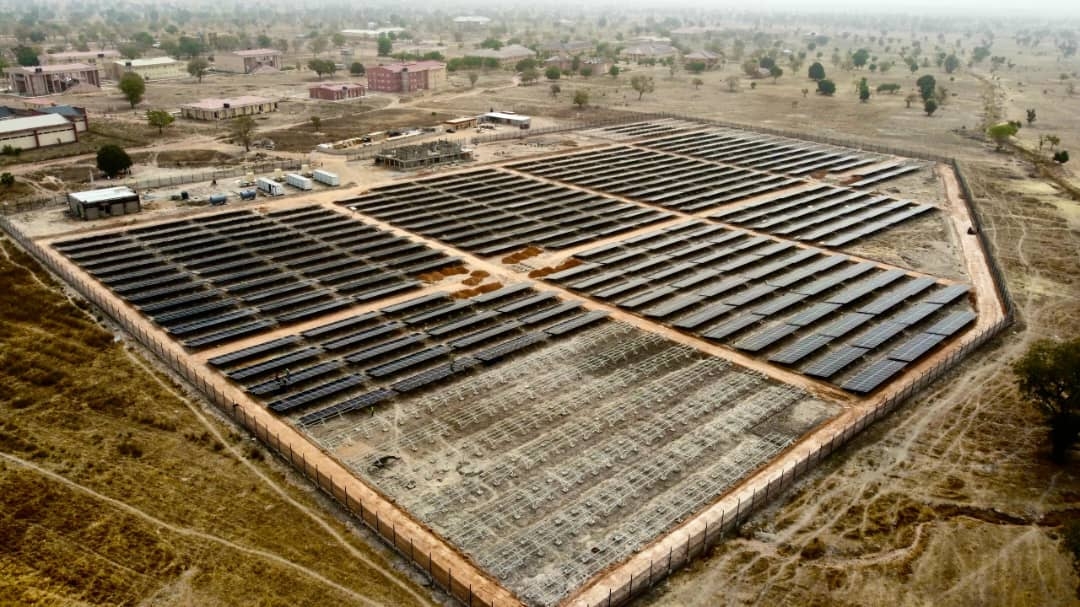
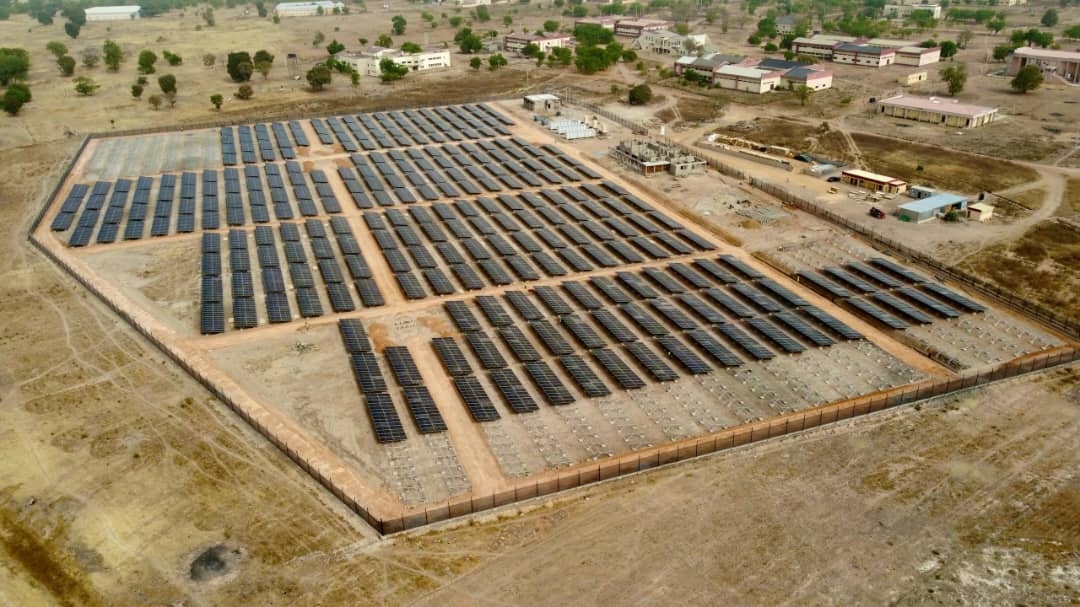
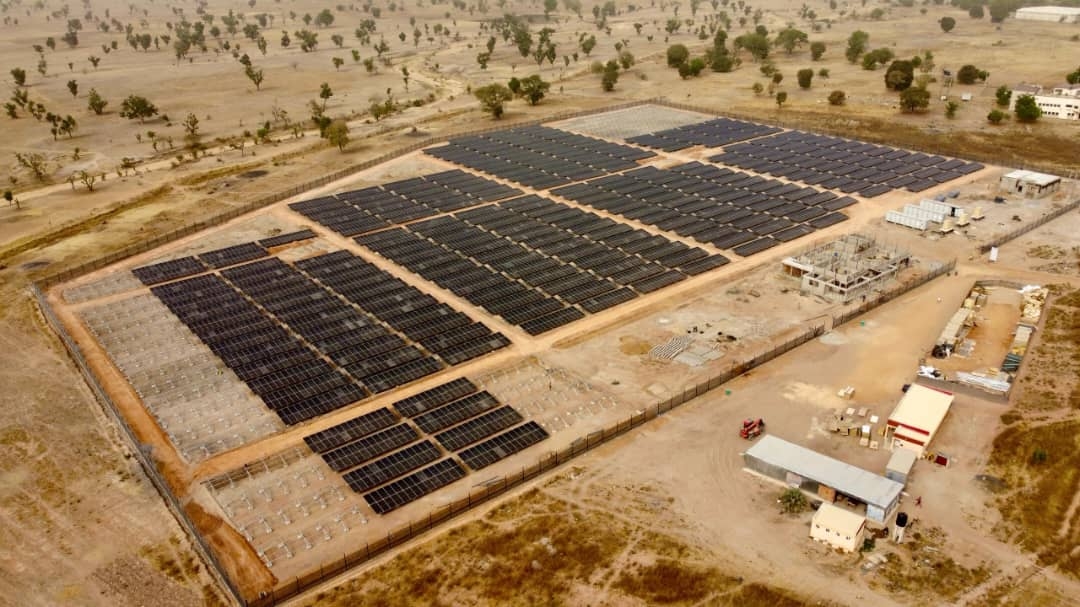
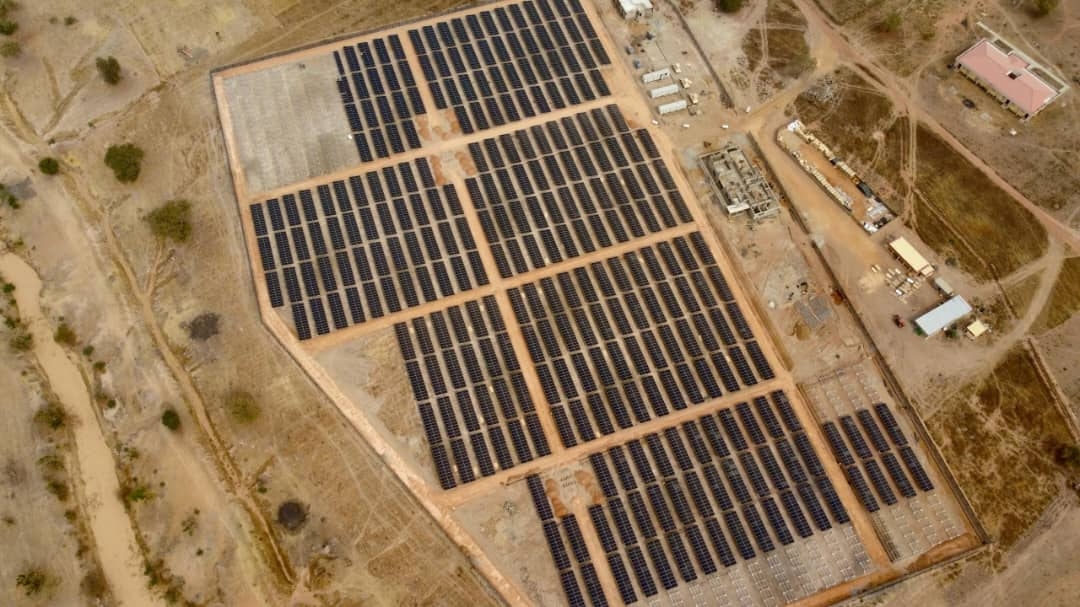
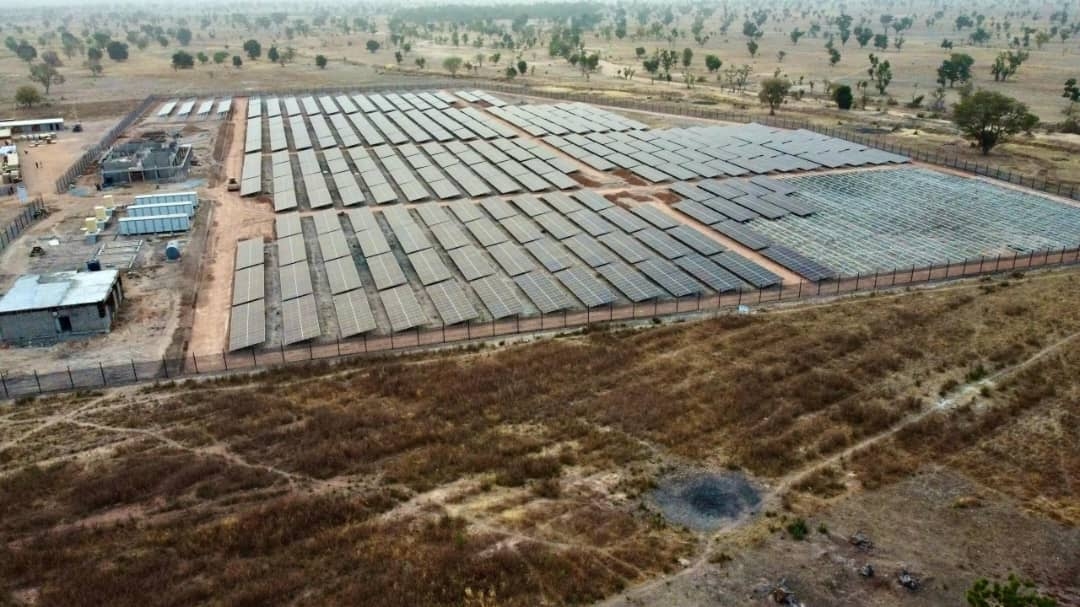
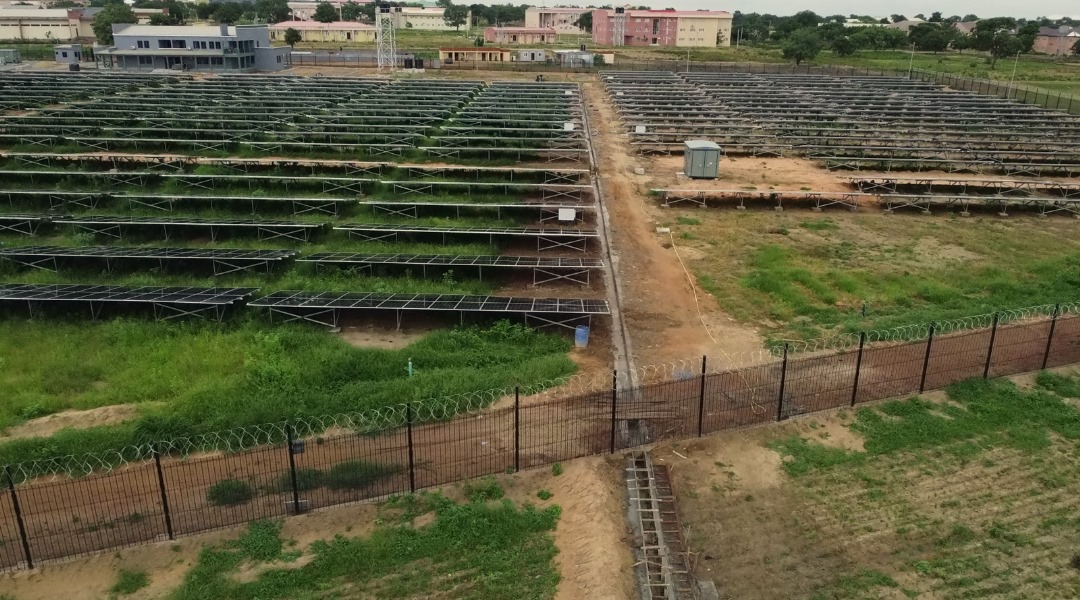
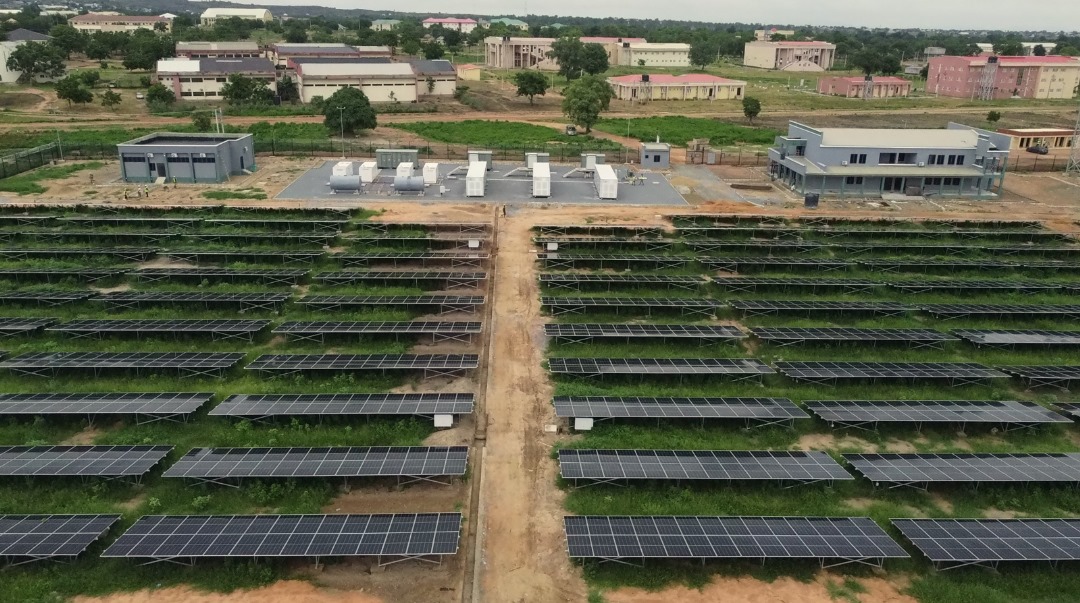
The solar hybrid power project at Federal University of Dutsin-Ma has now reached 95% completion and is approaching the commissioning phase.
This milestone reflects substantial progress in the transformation of the institution’s energy infrastructure and marks an important step toward delivering a more reliable, efficient, and sustainable power environment for students, faculty, researchers, and operational teams.
Next Steps
The final phase of the project will focus on the successful completion and optimization of all remaining activities, including:
- Final Commissioning
- Completion of outstanding installation, integration, and system performance testing activities
- Capacity Building
- Delivery of renewable energy training programmes for students, faculty, and technical personnel
- Monitoring and Evaluation
- Assessment of project performance, energy reliability, and sustainability outcomes
- Public Awareness and Community Engagement
- Promoting greater awareness of renewable energy benefits across the university environment
- Scalability Planning
- Evaluating opportunities to replicate the model across additional institutions in Nigeria
Closing Statement
This project represents a major advancement in improving energy access, institutional resilience, and sustainability within Nigeria’s education and healthcare sectors. By integrating renewable energy generation with modern storage technologies, the initiative establishes a strong and scalable framework for future clean energy deployment across the country.
More than a power infrastructure development, it is a long-term investment in education, research, healthcare, and national progress — fully aligned with Nigeria’s energy transition priorities and the global commitment to Affordable and Clean Energy for All.
Project Gallery 17 photos